Things to Do in Satun
Thailand's last quiet coast, where the Andaman still belongs to the fishermen
Top Things to Do in Satun
Find activities and tours you'll actually want to do. Book through our partners -- no booking fees.


Plan Your Trip
Essential guides for timing and budgeting
Climate Guide
Best times to visit based on weather and events
View guide →Day Trips
The best excursions and nearby destinations worth the journey
Explore day trips →Where to Stay
Best neighbourhoods, hotel picks, and booking tips
Find hotels →Travel Insurance
What's required, what coverage matters, and how to get a quote
Read guide →What to Pack
Climate-specific gear, essentials, and what to leave at home
See packing list →When Should You Visit Satun?
Tap a month for weather, crowds, and highlights
View full year-round climate guide →Your Guide to Satun
About Satun
Satun greets you with charcoal smoke and coconut milk drifting off roti griddles along the road from the bus station. This is Thailand's deep Muslim south on the Andaman side. Most travelers skip the province entirely on the highway between Hat Yai and the Malaysian border. Their oversight keeps it worth visiting. The town is small and unhurried.
Its old quarter along the Mamang Canal centers on Kuden Mansion, a Sino-Portuguese relic now housing the provincial museum. Ceiling fans turn slowly enough to count the rotations. Walk ten minutes south and you hit the morning market. Women in hijabs sell khao mok gai, the southern Thai biryani. The rice is turmeric-stained and fragrant with cardamom.
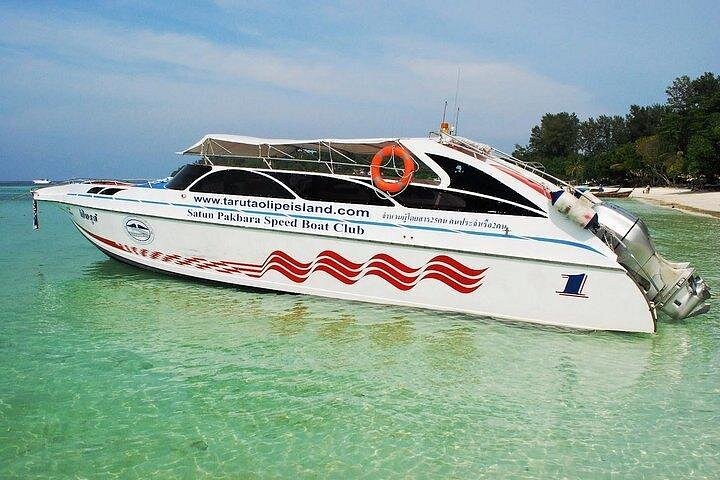
It is scooped from blackened pots onto banana leaves. Satun's real currency is its islands. Pak Bara pier, about an hour west of town by songthaew, is the jumping-off point for Tarutao National Marine Park. Fifty-one islands scatter across the lower Andaman. The water runs so clear over white sand that your shadow arrives on the seafloor before you do.
Koh Lipe gets the magazine covers and the crowd. Koh Adang across the strait has the same water with a fraction of the foot traffic. Koh Tarutao itself, the park's brooding, jungle-covered namesake, still feels like something you were not supposed to find. The honest catch is access. The monsoon shuts the islands down for nearly half the year.
The province has no airport. Nightlife in Satun town means cold Singha on a plastic chair outside a roti shop. Travelers who measure a destination by what it has not built will understand the entire point.
Travel Tips
Transportation: Satun has no airport and no train station. You arrive by road or by sea. Most travelers come overland from Hat Yai, roughly two hours by minivan. Book at Hat Yai's main bus terminal. From Satun town to Pak Bara pier, a shared songthaew takes about an hour and costs next to nothing. This pier is the way into all the islands. During high season, longtail boats and speedboats run fixed routes from Pak Bara's main jetty. Download the Grab app before you arrive. Driver availability drops sharply outside Satun town proper. The one pitfall worth dodging: private transfer touts at Hat Yai station quote three to four times the minivan fare for the same road.
Money: Satun runs on cash more than anywhere else on the Andaman coast. ATMs exist in town along Satun Thani Road and near the district office. They thin out fast once you head toward Pak Bara. On the islands, only Koh Lipe has reliable machines. These charge a foreign-card fee each withdrawal. Bring enough baht from the mainland to cover your island days. The 7-Elevens in Satun town accept cards. Roti stalls, longtail boat operators, and most guesthouses on the smaller islands are cash only. Exchange rates at Hat Yai's airport booths tend to be better than anything in Satun province. Budget travelers will find Satun significantly cheaper than Krabi or Phuket for comparable experiences.
Cultural Respect: Satun is roughly two-thirds Muslim, and the cultural rhythm reflects it. During Ramadan, which shifts earlier each year on the Gregorian calendar, eating or drinking visibly in public spaces during daylight hours is not illegal but it is noticed, and not warmly. Cover your shoulders and knees when visiting mosques. Remove your shoes before stepping onto any raised platform, whether religious or residential. The greeting here is more often salaam alaikum than the Thai wai. Both are appreciated. Friday afternoons are prayer time. Many shops and all government offices close between noon and one. On the islands, the dress code relaxes considerably. Satun town rewards the traveler who reads the room.
Food Safety: Satun's food leans Malay-Muslim. Pork disappears from the menu. In its place you get some of the best roti in Thailand. Cooks work flat steel griddles until the edges crisp and the inside stays chewy. They serve it with a cup of massaman or green curry for dipping. The morning market near the Mamang Canal is the best single eating destination in town. Look for the khao mok stalls where the rice is properly yellow from fresh turmeric, not food coloring. The chicken falls apart at the joint. Seafood on Koh Lipe is fresh but priced at island markup. Drink bottled or filtered water everywhere, including ice. Factory-produced ice is safe in town. It is less reliable at smaller island operations. The roti vendors who have a queue are the ones worth your time.
When to Visit
Satun splits its year in half. Choose the wrong half and the province's best parts simply shut. November to April is dry season. Islands open. The sea flattens into that glassy Andaman turquoise. Pak Bara pier buzzes with speedboats from dawn. December through February is peak. Temperatures linger around 28 to 31 degrees Celsius, 82 to 88 Fahrenheit.
Humidity stays tolerable by southern Thai standards. Rain almost never falls. Koh Lipe fills weeks ahead. Guesthouse rates double, sometimes triple. January is the sweet spot. Skies stay dry. Water stays calm. Snorkeling off Koh Adang's west shore is effortless. March and April crank the heat toward 34 degrees Celsius, 93 Fahrenheit.
Air feels like a warm towel over your face. Crowds thin. Room rates drop, on the mainland. Songkran in mid-April is quieter than Bangkok or Chiang Mai. Transport still wobbles for a few days. Then the monsoon hits. May through October, southwest winds whip the Andaman into something no longtail should cross. Tarutao National Marine Park shuts, usually mid-May.
Koh Lipe clings to a skeleton service. Crossings get rough. Beaches surrender their sand to increase. Half the island's restaurants close. September and October peak. Rain can dump 400 millimetres in a month. Satun town's side streets become ankle-deep streams. Yet the mainland charms in wet season. Thale Ban National Park on the Malaysian border turns jungle green.
Waterfalls like Wang Sai Thong roar at full volume. You will have Satun town almost to yourself. Hotel prices plummet. Roti stalls never close. Families should lock in December through February. Calm water. Reliable boats. Perfect. Solo travelers and budget hunters should aim for November or March. Weather still behaves.
Peak surcharge has not arrived or has already left. Skip June through October unless you crave dripping jungle and daily rain.
More Ways to Experience Satun
Tours, day trips, and local experiences curated by on-the-ground operators.
Didn't see anything interesting yet?
Browse Viator's full catalog of tours, day trips, food experiences, and private guides in Satun.
See All Satun Tours on Viator